We had two days of mountain gorilla trekking in the Bwindi Impenetrable Forest and each day we were set to visit a different family. There are 12 gorilla families in the area, but that number can change if a silverback leaves a family to start a new family. The forest borders Rwanda and the Democratic Republic of Congo, and there have been a few instances of a gorilla family crossing the border and setting up a new “home” in one of those other countries. All three countries communicate with one another on the status of mountain gorillas, as all three countries are committed to conservation and all benefit from tourism to see the gorillas.
Half of the world’s wild mountain gorillas are located in the Bwindi Impenetrable Forest. There are about 450 gorillas divided up into families and thanks to conservation and habituation efforts, they thrive in the protected forest. Tourists purchase permits to trek and all of the money goes back into the conservation efforts to keep these endangered gorillas safe and protected. It’s been an incredibly successful program with the original estimated gorilla population at about 300 before the area was designated as a national park in 1997.
When we were prepped for the gorilla trek, we were told that everyone is divided into groups based on the location of the families. The groups are easy, medium, and hard and are based on how far up the mountain that particular family is. Gorillas do not stay in the same place each night, so trackers go out very early in the morning to track where they are based on the location they were the day before. The trackers then communicate with the guides so the guides know where to take us! We had two guides with us – one was in the front and the other was an armed guide in the back of our group. Since we had camera equipment with us, we were able to hire porters to help us carry our stuff and help us navigate the forest. It cost us $25 per person, but we found out that was enough to pay for six weeks of expenses for our porters. They were all locals who come from the village to see if they get picked as a porter. Most of them do one trek a month and that gives them the money they need until the next trek. If there’s one thing that I gain on every trip I take, it’s perspective.
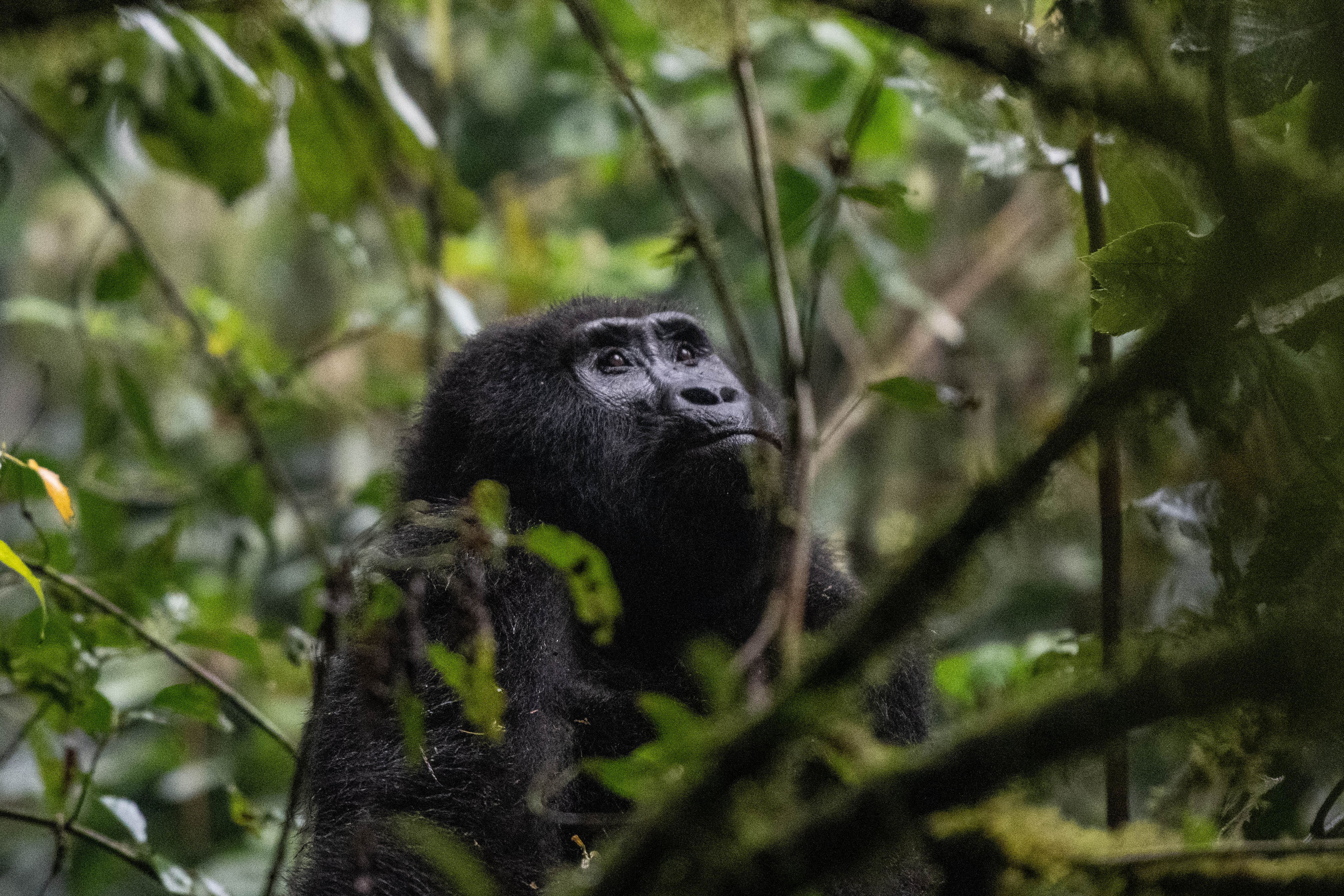
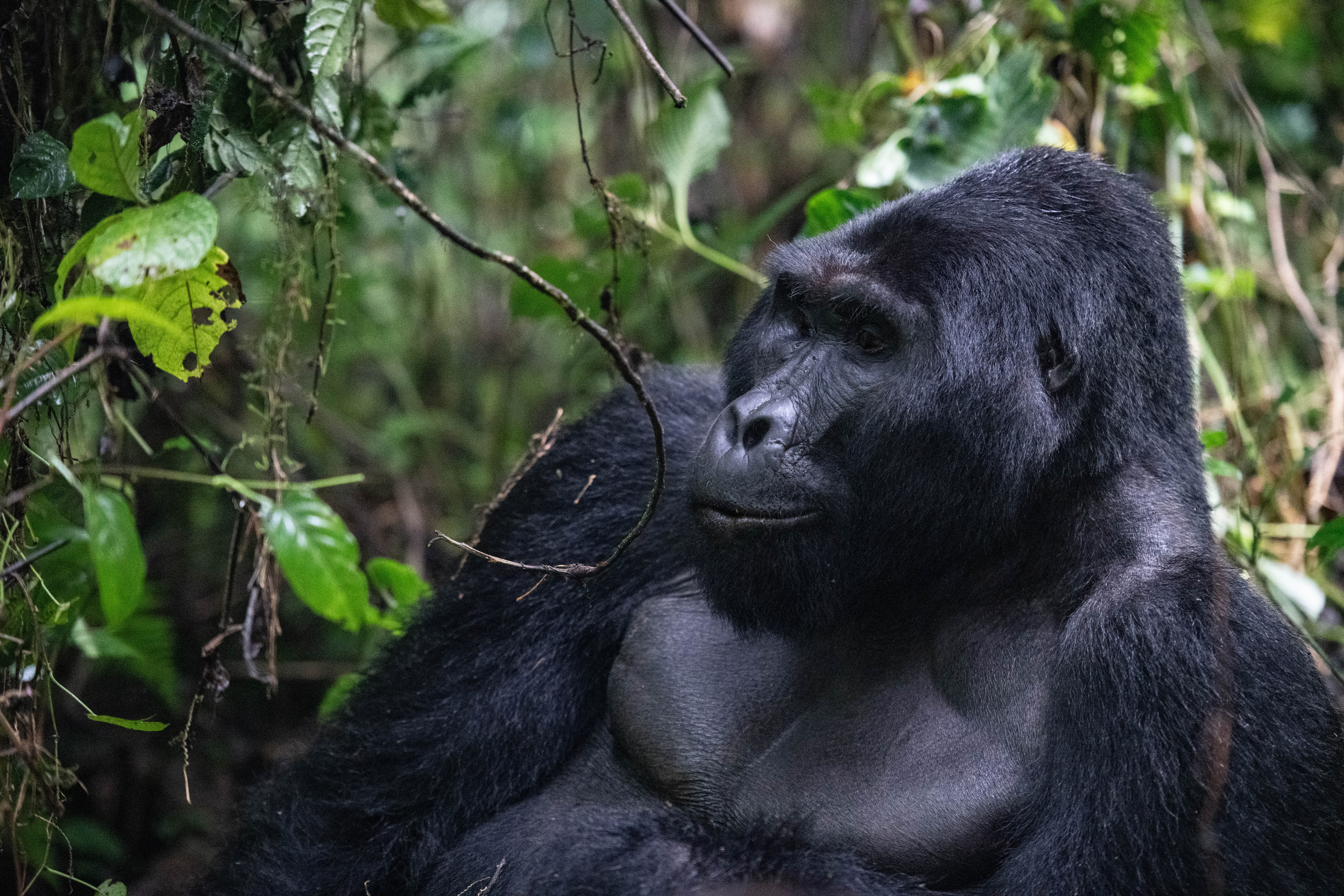
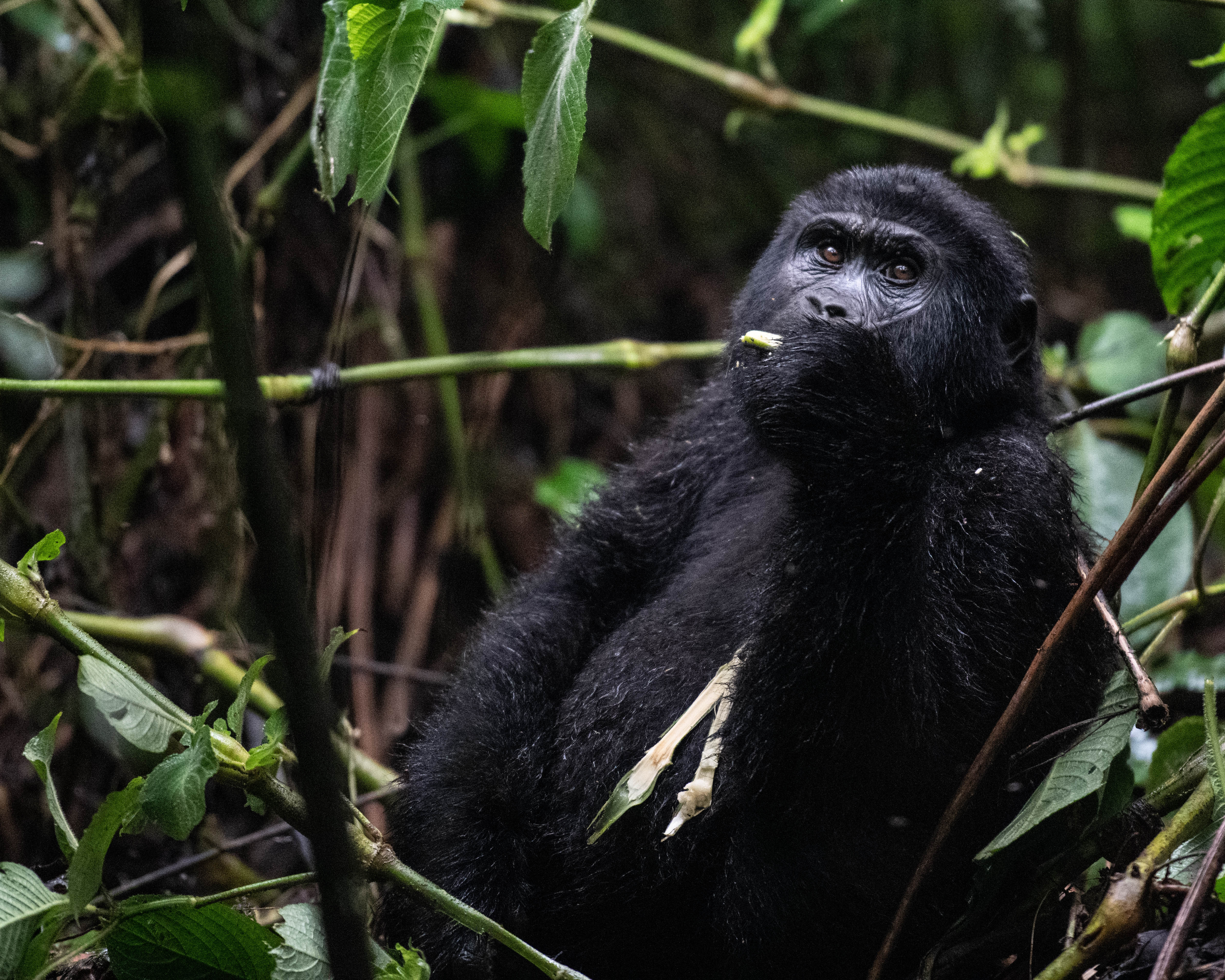
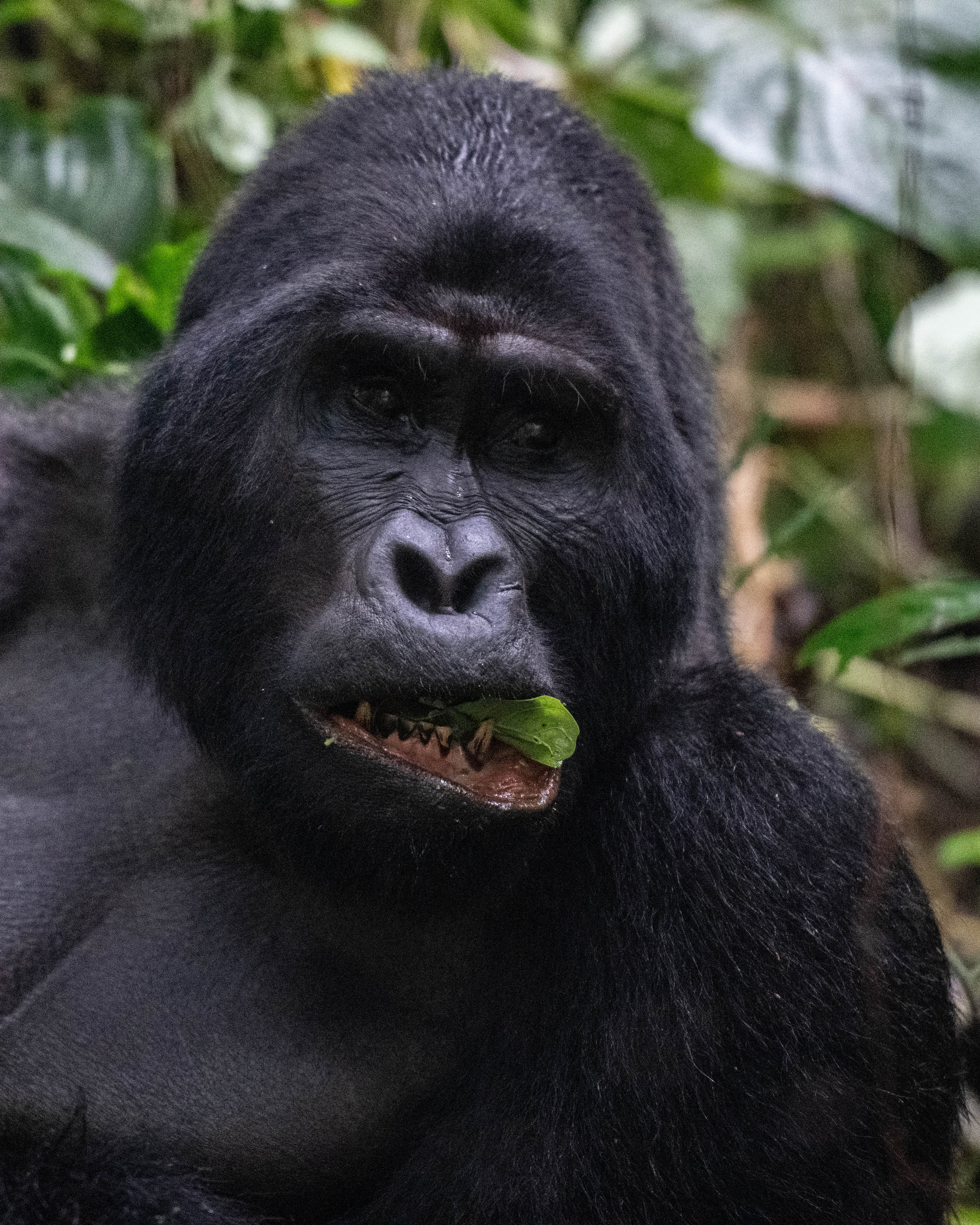
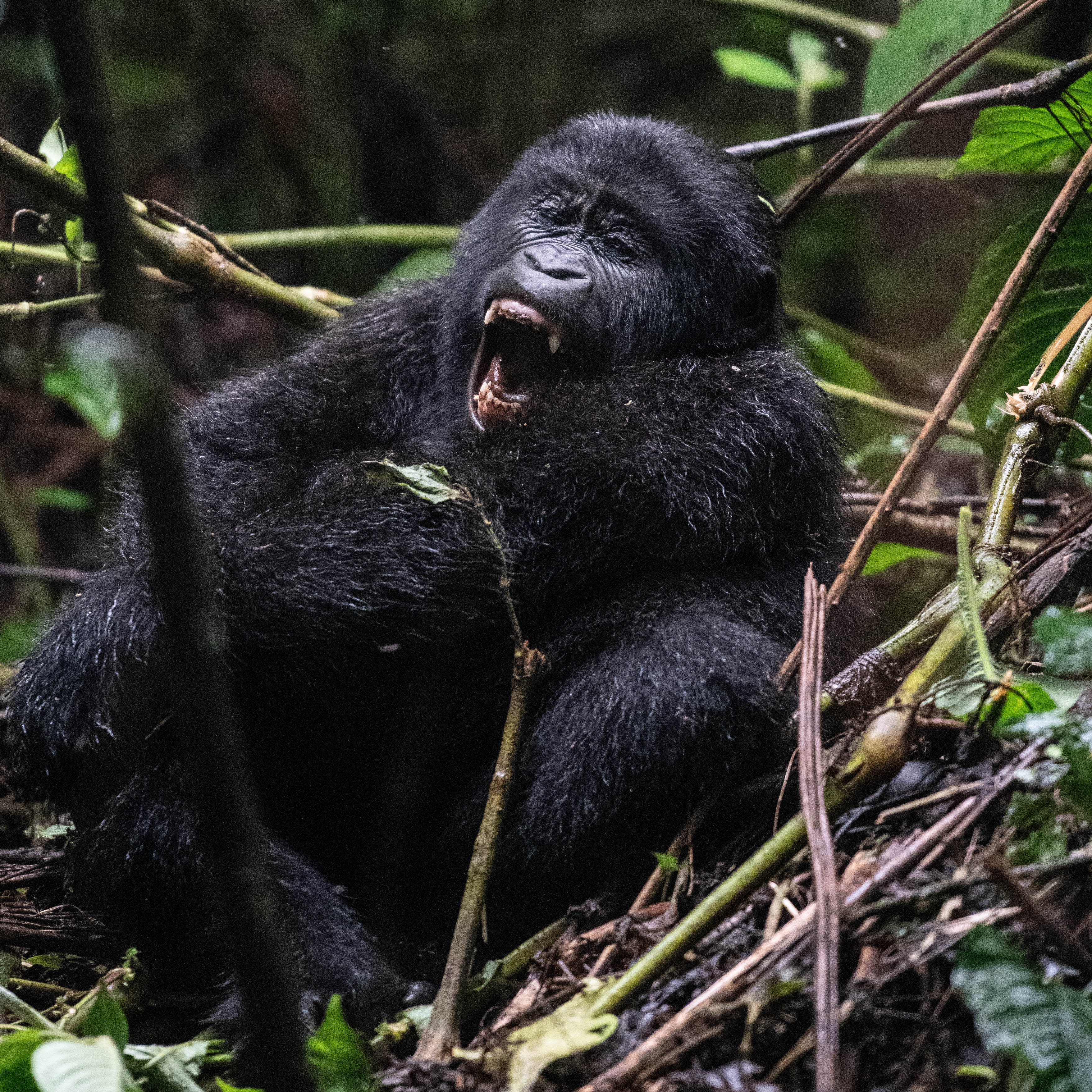
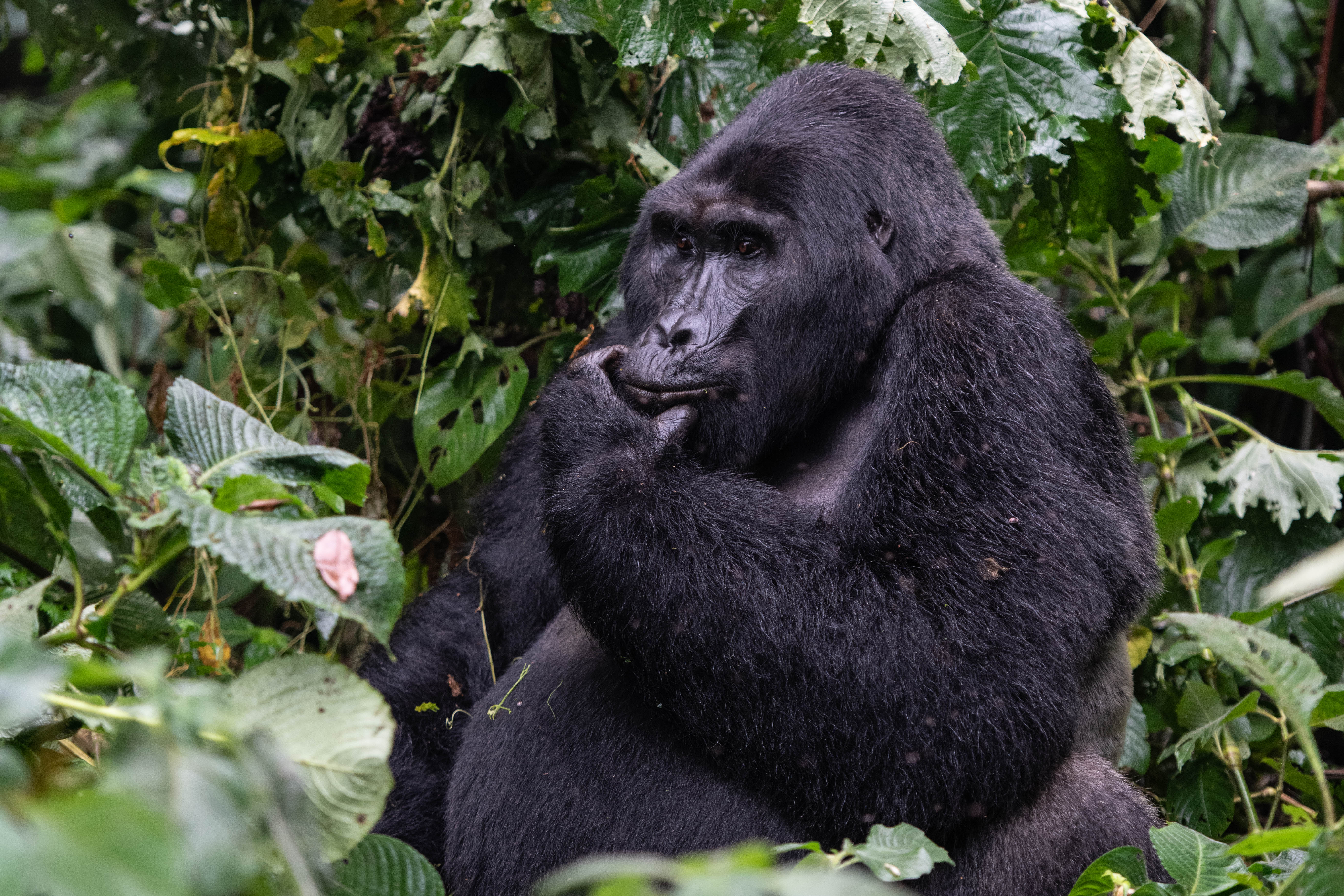
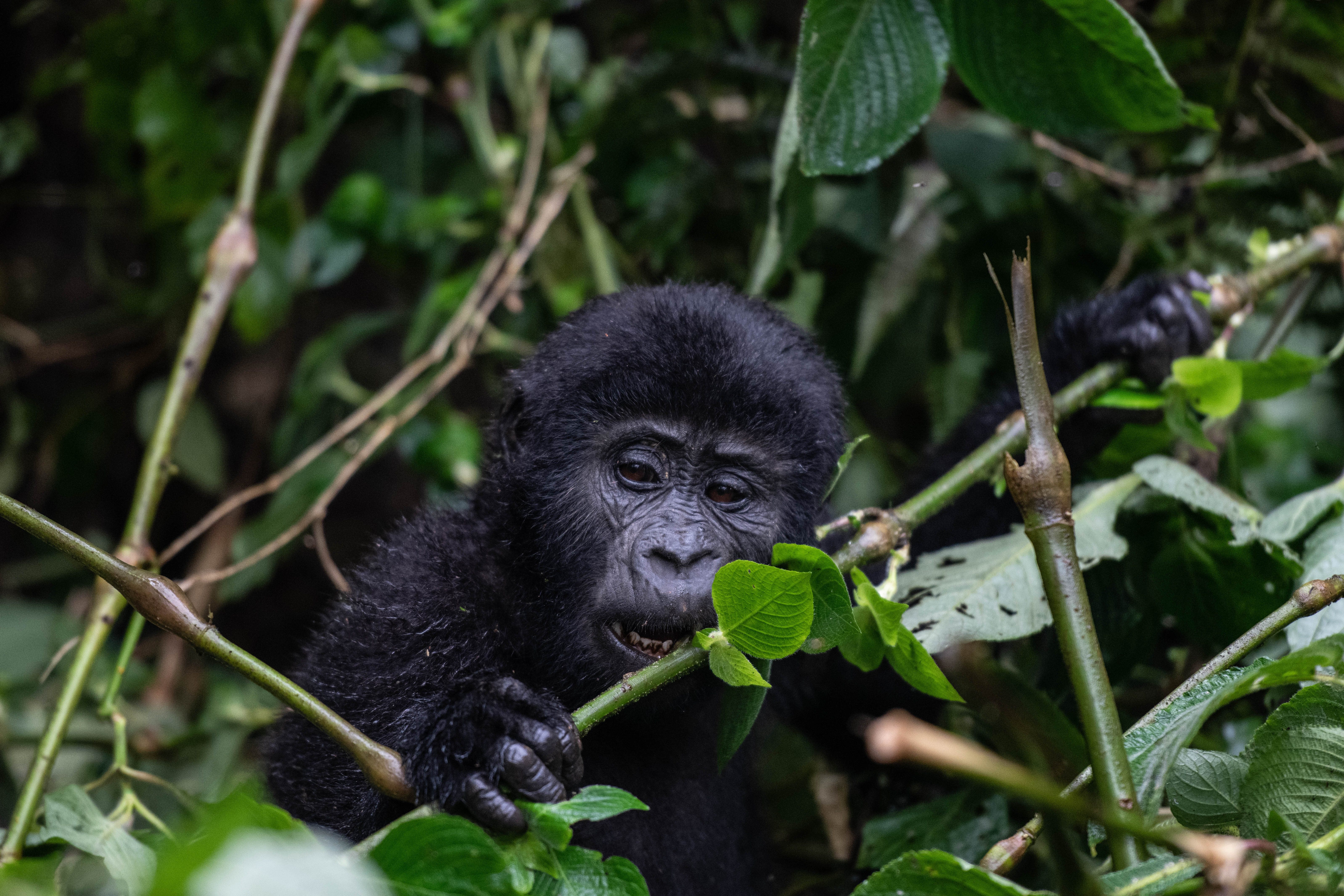
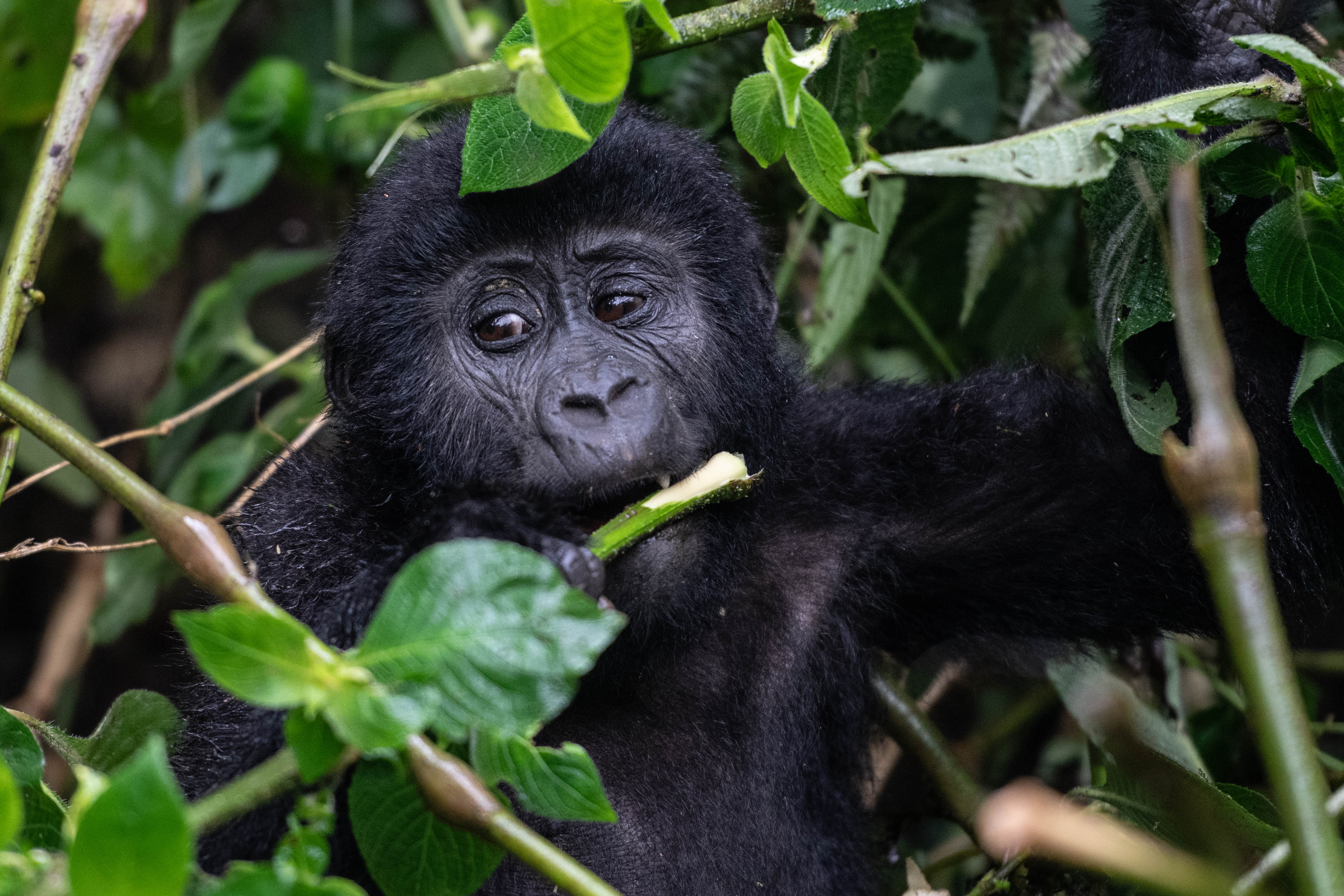
The first day we trekked to the Mubare family of mountain gorillas, which is the oldest habituated family in Uganda. There are nine family members with one silverback. We were in the easy group and we lucked out because we only had to trek for about 30 minutes before we got to the family. We trekked down into a gully of sorts which was where the family was, but it was very muddy and made navigating the ground difficult. However, we were quickly distracted by a gorilla climbing in the trees above us with a little baby on her chest. The cameras came out and we were ready! We spent the next hour observing this family and moved around wherever they did. At one point, we were taking pictures of one of the younger gorillas and our guide told us to look around – we were standing in their bedroom! Each night, gorillas bed down in a new area. They will break off branches and leaves and make almost an oval shaped spot to lie down. As we all took in our surroundings, there were 5-6 flat oval areas where we were standing. The younger gorillas sleep with their mothers until they are big enough to sleep on their own.
Mike took some amazing videos, including one where a mother comforts her baby who was scared. I think the videos are great at showing the interactions between the gorillas, just how close we were to them, and how dense the forest is! Each night, when our group was having drinks before dinner, Mike was furiously AirDropping the videos he took to other members in our group so they could share them with their family and friends!
And now the pictures…


 Life in Pictures